
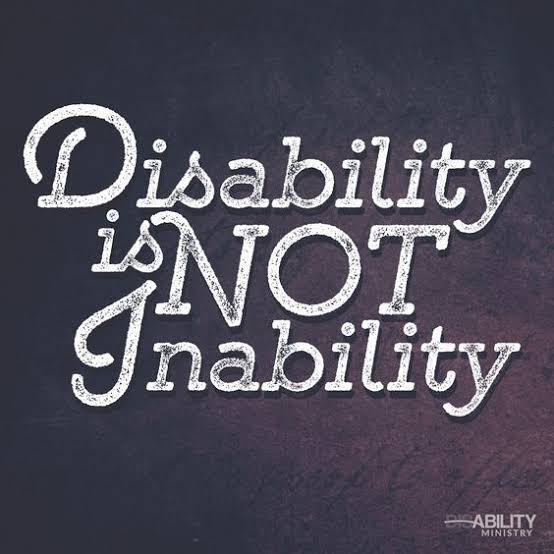
“There is no greater disability in society, than the inability to see a person as more.” — Robert M. Hensel
Every person has a story.
Some stories include challenges, diagnoses or disabilities. Others include dreams, careers, families, hobbies and ambitions. Yet, too often, society notices the disability before seeing the person.
At Life Unfolded, our mission is simple:
Seeing the Person, Not the Disability.
It isn’t just our slogan. It’s a mindset that has the power to change communities, workplaces and lives.
What Does “Seeing the Person” Really Mean?
When we meet someone with a disability, it’s easy to make assumptions based on what we see.
Someone using a wheelchair.
Someone walking with a cane.
Someone who communicates differently.
Someone with a visible physical difference.
But disability is only one part of who they are.
They may also be an engineer, a teacher, a parent, an artist, a business owner, a student or an athlete.
Just like everyone else, they have goals, talents, personalities and dreams.
When we focus only on disability, we overlook the person standing in front of us.
History is filled with people who have changed the world while living with disabilities.
- Scientists.
- Authors.
- Pilots.
- Athletes.
- Entrepreneurs.
- Musicians.
Their success wasn’t because they had a disability—it was because they pursued their passions, developed their skills and were given opportunities.
Every person deserves the same chance.
Creating a more inclusive world doesn’t always require massive changes.
Sometimes it starts with everyday choices.
- Asking before offering assistance.
- Speaking directly to the person rather than a companion.
- Using respectful language.
- Making buildings, websites and services accessible.
- Challenging stereotypes when we hear them.
- Creating workplaces where everyone has equal opportunities.
Small acts of inclusion create lasting change.
Accessibility is often misunderstood.
Many people think it’s only about wheelchair ramps.
In reality, accessibility benefits everyone.
Captions help people who are deaf or hard of hearing, but they also help people watching videos in noisy environments.
Automatic doors assist wheelchair users, but they’re equally helpful for parents with prams, older adults and anyone carrying heavy shopping bags.
Clear signage helps visitors, people with cognitive disabilities and those navigating unfamiliar places.
Accessibility isn’t about giving special treatment.
It’s about ensuring everyone has the opportunity to participate.
Misunderstandings often come from a lack of knowledge rather than a lack of kindness.
Learning about different disabilities helps us replace assumptions with understanding and fear with compassion.
Awareness encourages conversations.
Conversations lead to understanding.
Understanding creates inclusion.
As someone living with hemiplegia, I’ve experienced first-hand what it’s feels like to be judged by what people see instead of who I am.
I’ve also experienced resilience, growth and the kindness of people who chose to look beyond my disability. Those experiences inspired me to create Life Unfolded. My goal isn’t simply to talk about disability.
It’s to create a place where people can learn, ask questions, challenge misconceptions and celebrate the incredible diversity of human experience.
Real inclusion doesn’t happen overnight. It happens one conversation, one act of kindness and one change in perspective at a time.
Every time we choose empathy over judgement…
Every time we make a space more accessible…
Every time we see the person before the disability…
We make the world a little more inclusive. That is the future we are working towards and it starts with all of us.
Disability is part of life. It affects millions of people around the world, either directly or through someone they love. By learning, listening and leading with compassion, we can create communities where everyone feels valued, respected and included.
Because at the end of the day, every person wants the same thing:
- To be seen.
- To be heard.
- To belong.
Leave a Reply