
You may not control all the events that happen to you, but you can decide not to be reduced by them.— Maya Angelou.
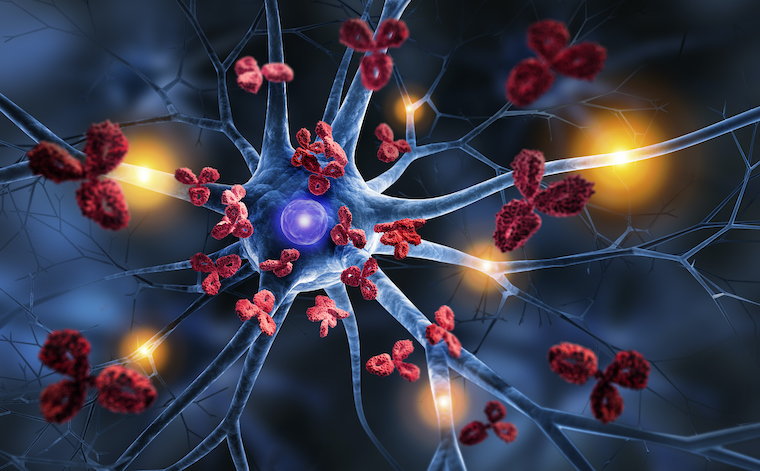
Multiple Sclerosis is classified as an autoimmune disorder, where the immune system attacks its own tissues. In MS, the target is the myelin sheath, which is essential for the smooth transmission of nerve impulses. When this sheath is damaged, it results in scarring, which disrupts or blocks the signals, leading to the symptoms of MS. It is a lifelong condition, with no known cure, but treatments and lifestyle adjustments can help manage the disease and its symptoms.
The symptoms of MS can vary widely depending on the location and extent of nerve damage. Some of the common symptoms include:
- Fatigue: Extreme tiredness that can interfere with daily activities.
- Difficulty Walking: Coordination and balance issues due to muscle weakness or spasms.
- Numbness or Tingling: Typically occurs in the face, arms, legs, or fingers.
- Vision Problems: Blurred vision, double vision, or even loss of vision.
- Cognitive Changes: Memory problems, difficulty concentrating, or confusion.
- Muscle Spasms or Stiffness: Involuntary muscle contractions that can cause pain and discomfort.
These symptoms can come and go, leading to periods of remission, or they may progressively worsen over time.
There are four main types of Multiple Sclerosis:
- Relapsing-Remitting MS (RRMS): The most common form, characterized by clear periods of relapse (symptom flare-ups) followed by remission (partial or full recovery).
- Secondary-Progressive MS (SPMS): Initially starts as RRMS but eventually transitions into a more steadily progressive form.
- Primary-Progressive MS (PPMS): A steady progression of symptoms without relapses or remissions.
- Progressive-Relapsing MS (PRMS): A rare form with steady progression from the onset and occasional relapses.
While MS presents significant challenges, many people living with the condition can lead fulfilling and active lives with proper management. Here are some strategies that can help:
- Medications: Disease-modifying therapies can slow the progression of MS and manage symptoms. Consult with a neurologist for the best course of treatment.
- Physical Therapy: Helps with muscle strength, balance, and coordination. Regular exercise can also improve energy levels and mood.
- Assistive Devices: Canes, walkers, or mobility scooters may be necessary for individuals with severe mobility issues.
- Emotional Support: Living with a chronic illness can take a toll on mental health. Seeking support from loved ones, counselors, or MS support groups can make a big difference.
Multiple Sclerosis may pose a variety of challenges, but it doesn’t define the lives of those affected by it. With advancements in treatment and growing awareness, individuals with MS are finding ways to thrive, despite the condition. By understanding MS and offering support to those living with it, we can foster a more inclusive and compassionate society. If you or a loved one has been diagnosed with MS, remember, you are not alone, and there are resources available to help navigate this journey.
Leave a Reply