
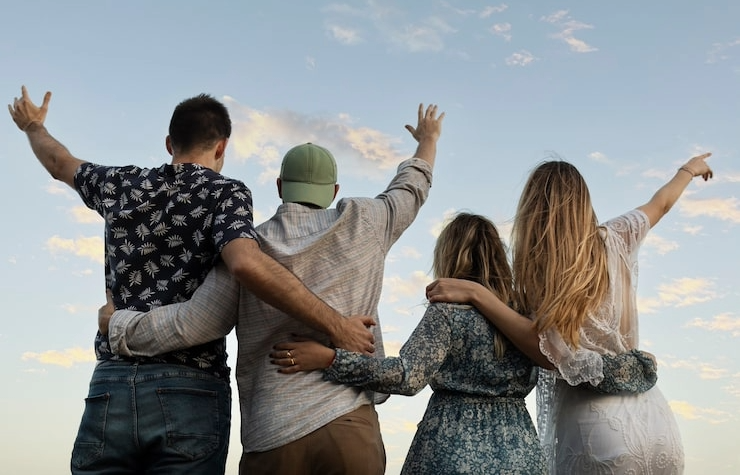
“Friendship means seeing the person, not the struggle.”
Friendship is one of the most powerful connections we experience in life. It’s built on trust, laughter, shared moments and showing up for one another. But when disability enters the picture, friendship can sometimes feel unfamiliar to people who haven’t experienced it before. The truth is, having friends with a disability isn’t about knowing all the right things to say or doing everything perfectly. It’s about being human.
People with disabilities don’t need fixing, saving, or constant sympathy. They need the same things everyone else does in friendships: respect, understanding, patience and honesty. A real friend doesn’t see a disability first. They see the persontheir personality, their interests, their humour, their strengths, and yes, their struggles too. One of the most important parts of being friends with someone who has a disability is listening.
Disabilities are not one-size-fits-all. What works for one person may not work for another. Asking questions respectfully and allowing your friend to set boundaries shows care, not ignorance. It’s okay not to know everything. What matters is the willingness to learn.
Friendship also means flexibility. Sometimes plans change. Sometimes energy runs out. Sometimes pain, fatigue, anxiety, or accessibility issues get in the way. This doesn’t mean your friend doesn’t care or doesn’t want to be there. It simply means their body or mind has limits that day. True friendship adapts without guilt or pressure.
It’s also important to remember that people with disabilities are not defined by their limitations. They have dreams, goals, talents and passions. They can be supportive friends, great listeners, and sources of strength. Often in ways that surprise you. Many people with disabilities develop deep empathy, resilience and emotional awareness because of what they navigate daily.
Having friends with a disability can challenge assumptions and open your eyes to a world that often goes unnoticed. It teaches patience, compassion, and the value of slowing down. It reminds us that independence looks different for everyone, and that needing help does not make someone weak.
At its core, friendship isn’t about ability it’s about connection. When we choose to see people for who they are rather than what they struggle with, we create space for genuine, meaningful relationships. And that benefits everyone.
At Life Unfolded, we believe inclusion starts with everyday relationships. Sometimes, the most powerful thing you can offer is simply being there no fixing required.
Leave a Reply