
Barriers are real. That said we can overcome and transcend them. – Bill Barkeley
Usher syndrome is a rare genetic condition that affects both hearing and vision, creating a unique set of challenges for those living with it. It is the most common condition involving both hearing loss and an eye disorder called retinitis pigmentosa (RP). While not widely known, understanding Usher syndrome is crucial for fostering awareness and providing support to those affected.
It is characterised by:
- Hearing Loss – Present from birth or early childhood in most cases.
- Vision Loss – Caused by RP, which leads to the gradual deterioration of peripheral and night vision.
- Balance Issues – Common in some forms due to inner ear involvement.
There are three main types of Usher syndrome, classified based on the severity and onset of symptoms:
- Type 1: Profound hearing loss at birth, early-onset vision loss and significant balance problems.
- Type 2: Moderate to severe hearing loss, vision loss in adolescence or adulthood and normal balance.
- Type 3: Progressive hearing and vision loss later in life, with or without balance issues.
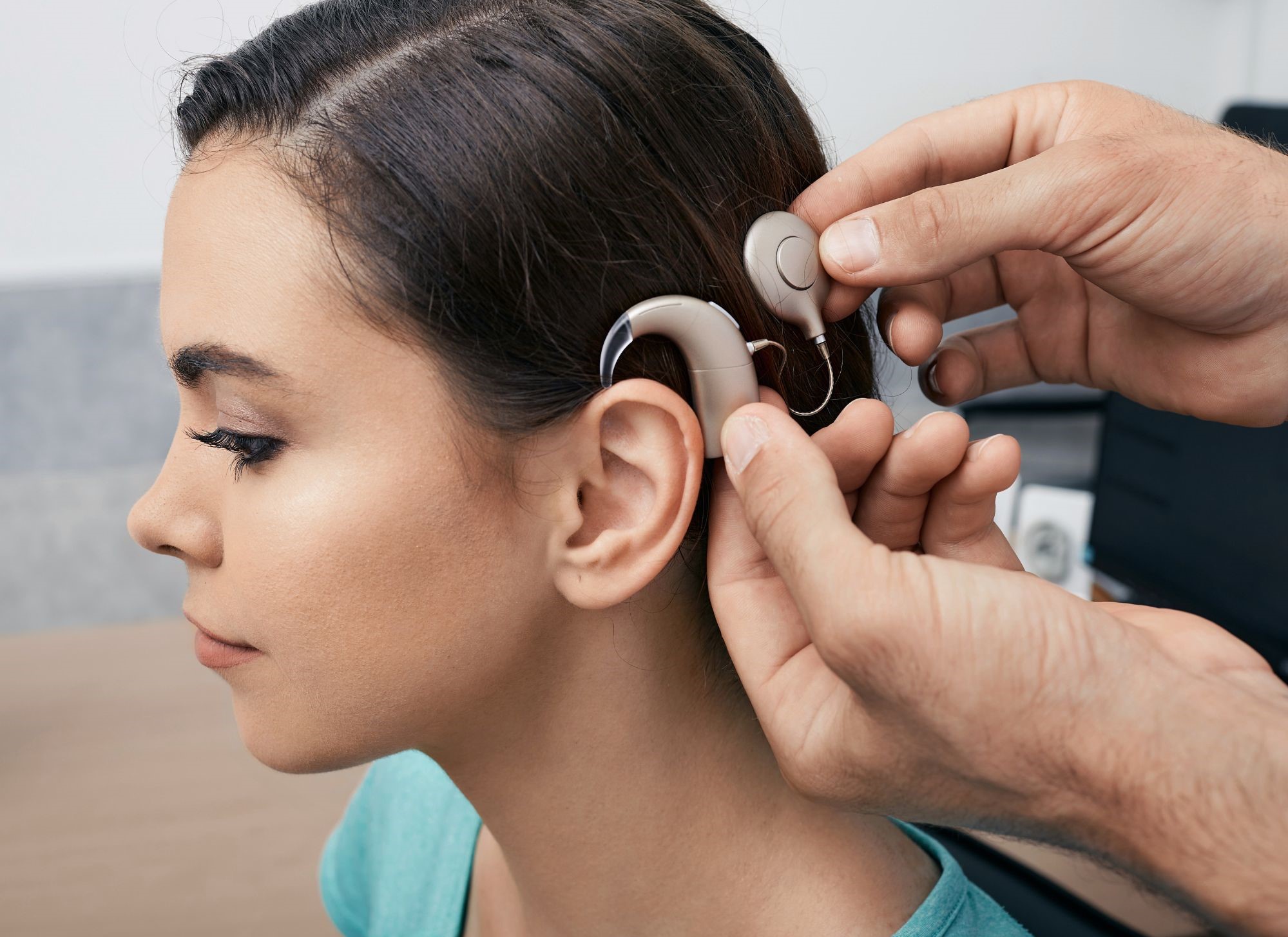
For individuals with Usher syndrome, navigating daily life can be challenging. Progressive vision loss often means adapting to new ways of communication and mobility, while hearing loss requires early interventions such as hearing aids or cochlear implants. Despite these difficulties, many individuals with Usher syndrome lead fulfilling lives through early diagnosis, support systems and technological advancements.
Awareness and understanding are key. Here are ways to support those affected:
- Encourage Early Screening: Early identification of hearing and vision issues can improve access to resources.
- Promote Accessibility: Create environments that support visual and auditory needs.
- Celebrate Strengths: People with Usher syndrome often develop extraordinary skills and adaptability.
Research into treatments for RP, hearing loss and gene therapies continues to advance. These innovations offer hope for better management and potential cures for Usher syndrome. Organisations around the world are working to raise awareness and fund research, driving progress for those affected.
Though Usher syndrome may be rare, the strength and resilience of those living with it inspire us all. By learning about this condition, we can build a world that is more inclusive, supportive and hopeful for individuals with Usher syndrome and their families.
Leave a Reply